
Improve time management in 4 steps
Improve time management in 4 steps

Time management is not just a skill; it is a necessity for those looking to achieve great results. When time is not well managed, problems such as project delays, low productivity, stress, and even financial losses arise. But the good news is that there are practical solutions that can transform the way you and your team utilize this valuable resource.
In this article, we will present 4 effective steps for you to optimize time management in your company and reach unprecedented levels of productivity. Ready to transform your team's daily routine? Come with us!
Time management is not just a skill; it is a necessity for those looking to achieve great results. When time is not well managed, problems such as project delays, low productivity, stress, and even financial losses arise. But the good news is that there are practical solutions that can transform the way you and your team utilize this valuable resource.
In this article, we will present 4 effective steps for you to optimize time management in your company and reach unprecedented levels of productivity. Ready to transform your team's daily routine? Come with us!
Time management is not just a skill; it is a necessity for those looking to achieve great results. When time is not well managed, problems such as project delays, low productivity, stress, and even financial losses arise. But the good news is that there are practical solutions that can transform the way you and your team utilize this valuable resource.
In this article, we will present 4 effective steps for you to optimize time management in your company and reach unprecedented levels of productivity. Ready to transform your team's daily routine? Come with us!
The symptoms of poor time management
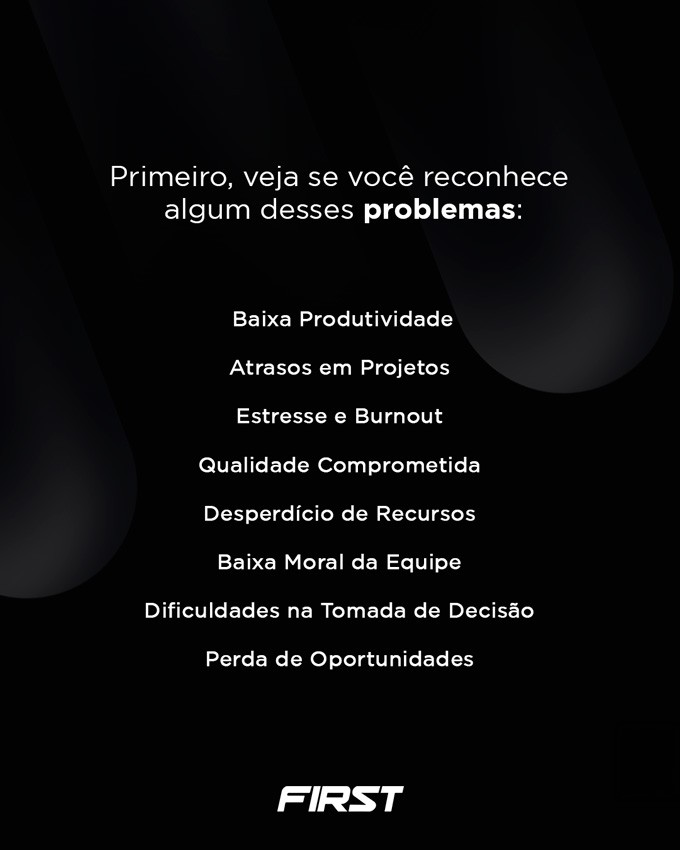
Before diving into solutions, ask yourself: do you recognize any of these challenges in your company?
Low Productivity: Work progresses, but the results fall short of expectations.
Project Delays: Deadlines are rarely met.
Stress and Burnout: Overloaded and demotivated teams.
Compromised Quality: The rush results in flaws in deliverables.
Resource Wastage: Time, energy, and money are spent on unnecessary tasks.
Difficulty in Decision Making: A lack of clarity hinders strategic choices.
Loss of Opportunities: Focusing on the urgent takes attention away from the important.
If you identified with any of these points, it's time to implement practical and assertive changes. Check out how to do this.
The symptoms of poor time management
Before diving into solutions, ask yourself: do you recognize any of these challenges in your company?
Low Productivity: Work progresses, but the results fall short of expectations.
Project Delays: Deadlines are rarely met.
Stress and Burnout: Overloaded and demotivated teams.
Compromised Quality: The rush results in flaws in deliverables.
Resource Wastage: Time, energy, and money are spent on unnecessary tasks.
Difficulty in Decision Making: A lack of clarity hinders strategic choices.
Loss of Opportunities: Focusing on the urgent takes attention away from the important.
If you identified with any of these points, it's time to implement practical and assertive changes. Check out how to do this.
The symptoms of poor time management
Before diving into solutions, ask yourself: do you recognize any of these challenges in your company?
Low Productivity: Work progresses, but the results fall short of expectations.
Project Delays: Deadlines are rarely met.
Stress and Burnout: Overloaded and demotivated teams.
Compromised Quality: The rush results in flaws in deliverables.
Resource Wastage: Time, energy, and money are spent on unnecessary tasks.
Difficulty in Decision Making: A lack of clarity hinders strategic choices.
Loss of Opportunities: Focusing on the urgent takes attention away from the important.
If you identified with any of these points, it's time to implement practical and assertive changes. Check out how to do this.
Prioritize tasks with the Eisenhower matrix
Not all tasks carry the same weight and urgency. To avoid the feeling of always "putting out fires," try using the Eisenhower Matrix. It helps categorize your activities into four quadrants:
Urgent and Important: Solve immediately.
Important, but Not Urgent: Plan to address it at a strategic moment.
Urgent, but Not Important: Delegate to others.
Neither Urgent nor Important: Eliminate without remorse.
As Dwight D. Eisenhower famously said, “What is important is rarely urgent, and what is urgent is rarely important.” This powerful tool helps you focus on what truly makes a difference.
Prioritize tasks with the Eisenhower matrix
Not all tasks carry the same weight and urgency. To avoid the feeling of always "putting out fires," try using the Eisenhower Matrix. It helps categorize your activities into four quadrants:
Urgent and Important: Solve immediately.
Important, but Not Urgent: Plan to address it at a strategic moment.
Urgent, but Not Important: Delegate to others.
Neither Urgent nor Important: Eliminate without remorse.
As Dwight D. Eisenhower famously said, “What is important is rarely urgent, and what is urgent is rarely important.” This powerful tool helps you focus on what truly makes a difference.
Prioritize tasks with the Eisenhower matrix
Not all tasks carry the same weight and urgency. To avoid the feeling of always "putting out fires," try using the Eisenhower Matrix. It helps categorize your activities into four quadrants:
Urgent and Important: Solve immediately.
Important, but Not Urgent: Plan to address it at a strategic moment.
Urgent, but Not Important: Delegate to others.
Neither Urgent nor Important: Eliminate without remorse.
As Dwight D. Eisenhower famously said, “What is important is rarely urgent, and what is urgent is rarely important.” This powerful tool helps you focus on what truly makes a difference.
Use project management tools
Keeping everything organized is not just a matter of discipline; it’s a strategy that generates results. Tools like Monday.com, for example, can be a game changer for your team.
With them, you can:
Visualize the progress of projects and tasks.
Monitor deadlines and goals.
Avoid workload overload and execution failures.
Moreover, management platforms promote transparency and collaboration, ensuring that everyone is aligned. As partners of Monday.com, at First Brazil we implement this solution in companies that wish not only to organize processes but also to increase efficiency.
Use project management tools
Keeping everything organized is not just a matter of discipline; it’s a strategy that generates results. Tools like Monday.com, for example, can be a game changer for your team.
With them, you can:
Visualize the progress of projects and tasks.
Monitor deadlines and goals.
Avoid workload overload and execution failures.
Moreover, management platforms promote transparency and collaboration, ensuring that everyone is aligned. As partners of Monday.com, at First Brazil we implement this solution in companies that wish not only to organize processes but also to increase efficiency.
Use project management tools
Keeping everything organized is not just a matter of discipline; it’s a strategy that generates results. Tools like Monday.com, for example, can be a game changer for your team.
With them, you can:
Visualize the progress of projects and tasks.
Monitor deadlines and goals.
Avoid workload overload and execution failures.
Moreover, management platforms promote transparency and collaboration, ensuring that everyone is aligned. As partners of Monday.com, at First Brazil we implement this solution in companies that wish not only to organize processes but also to increase efficiency.
Establish focused work hours
Have you heard of the "time blocking" technique? This strategy consists of reserving blocks of time dedicated exclusively to important tasks, away from interruptions.
For example:
Block the early hours of the morning for strategic activities.
Set aside the end of the day to review team requests.
This simple practice helps you protect your time and, consequently, your results. After all, maintaining focus is one of the greatest challenges in times of excessive information and constant distractions.
Establish focused work hours
Have you heard of the "time blocking" technique? This strategy consists of reserving blocks of time dedicated exclusively to important tasks, away from interruptions.
For example:
Block the early hours of the morning for strategic activities.
Set aside the end of the day to review team requests.
This simple practice helps you protect your time and, consequently, your results. After all, maintaining focus is one of the greatest challenges in times of excessive information and constant distractions.
Establish focused work hours
Have you heard of the "time blocking" technique? This strategy consists of reserving blocks of time dedicated exclusively to important tasks, away from interruptions.
For example:
Block the early hours of the morning for strategic activities.
Set aside the end of the day to review team requests.
This simple practice helps you protect your time and, consequently, your results. After all, maintaining focus is one of the greatest challenges in times of excessive information and constant distractions.

Learn to Delegate
One of the biggest traps for managers and entrepreneurs is the attempt to do everything alone. Delegating does not mean giving up responsibilities, but rather trusting your team and empowering them to take on tasks.
Here are some practical tips for delegating effectively:
Identify activities that consume your time but do not require your direct attention.
Choose the right people, aligned with the necessary competency for each task.
Provide clarity on expectations and desired outcomes.
By delegating, you not only gain time but also encourage the growth of your team, promoting an environment of collaboration and innovation.
Learn to Delegate
One of the biggest traps for managers and entrepreneurs is the attempt to do everything alone. Delegating does not mean giving up responsibilities, but rather trusting your team and empowering them to take on tasks.
Here are some practical tips for delegating effectively:
Identify activities that consume your time but do not require your direct attention.
Choose the right people, aligned with the necessary competency for each task.
Provide clarity on expectations and desired outcomes.
By delegating, you not only gain time but also encourage the growth of your team, promoting an environment of collaboration and innovation.
Learn to Delegate
One of the biggest traps for managers and entrepreneurs is the attempt to do everything alone. Delegating does not mean giving up responsibilities, but rather trusting your team and empowering them to take on tasks.
Here are some practical tips for delegating effectively:
Identify activities that consume your time but do not require your direct attention.
Choose the right people, aligned with the necessary competency for each task.
Provide clarity on expectations and desired outcomes.
By delegating, you not only gain time but also encourage the growth of your team, promoting an environment of collaboration and innovation.